At a glance
The essentials
Understand system lifespan, refit intervals and the full cost of wearing hair replacement, so you can compare options beyond the first fitting price.
There are two different clocks to understand
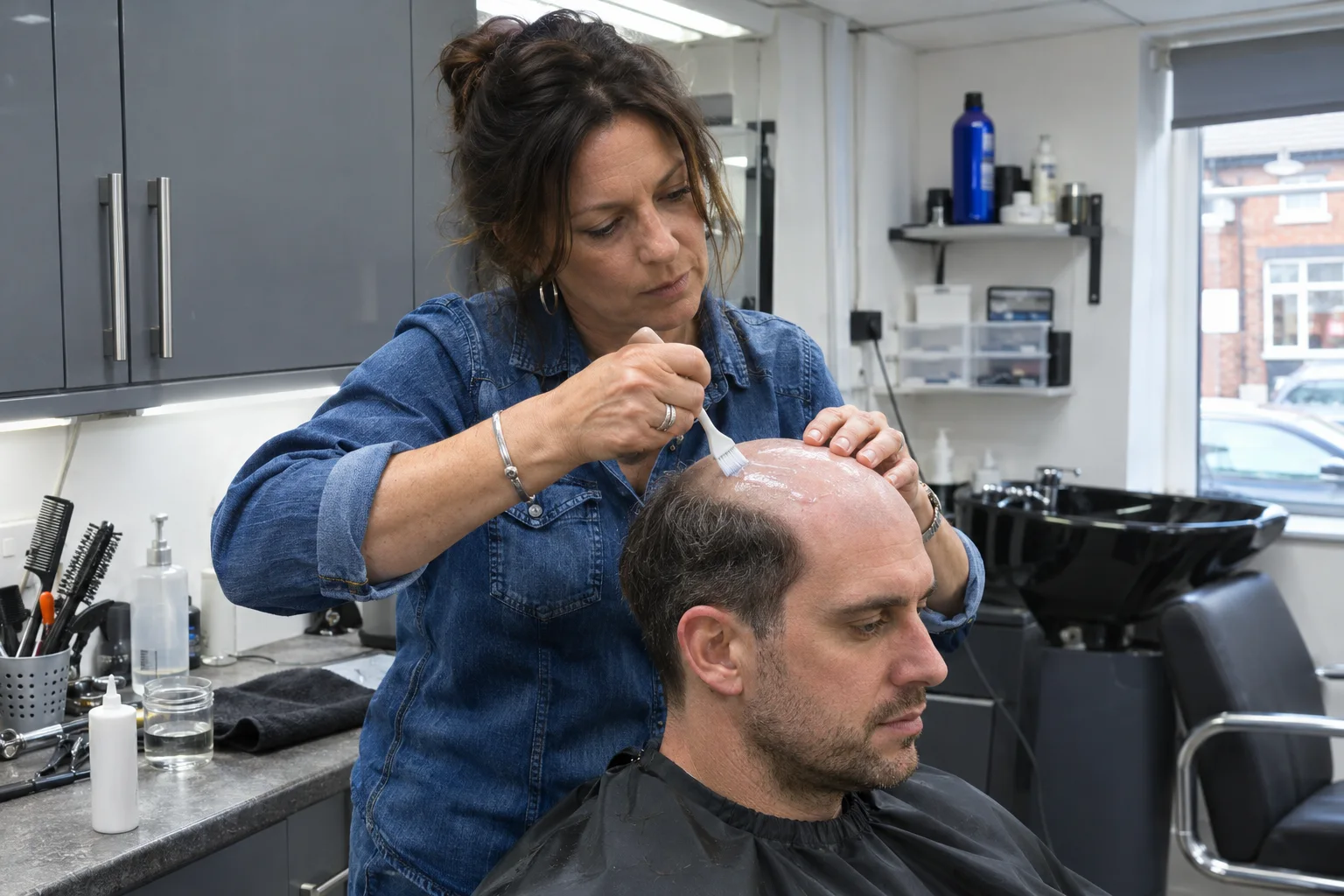
How long a hair system lasts is a different question from how long an attachment holds. The system itself wears gradually through brushing, washing, friction and everyday use. The bond is renewed at maintenance appointments. A system can need several refits before the hairpiece itself needs replacing.
When you see a claim about weeks or months, ask which of those two things it describes. A maximum wear figure on a tape packet is not a personal promise about your own scalp, and a delicate base’s possible lifespan is not a guarantee. Ask your fitter for a realistic range for the actual system being recommended.
What affects the lifespan of the system?
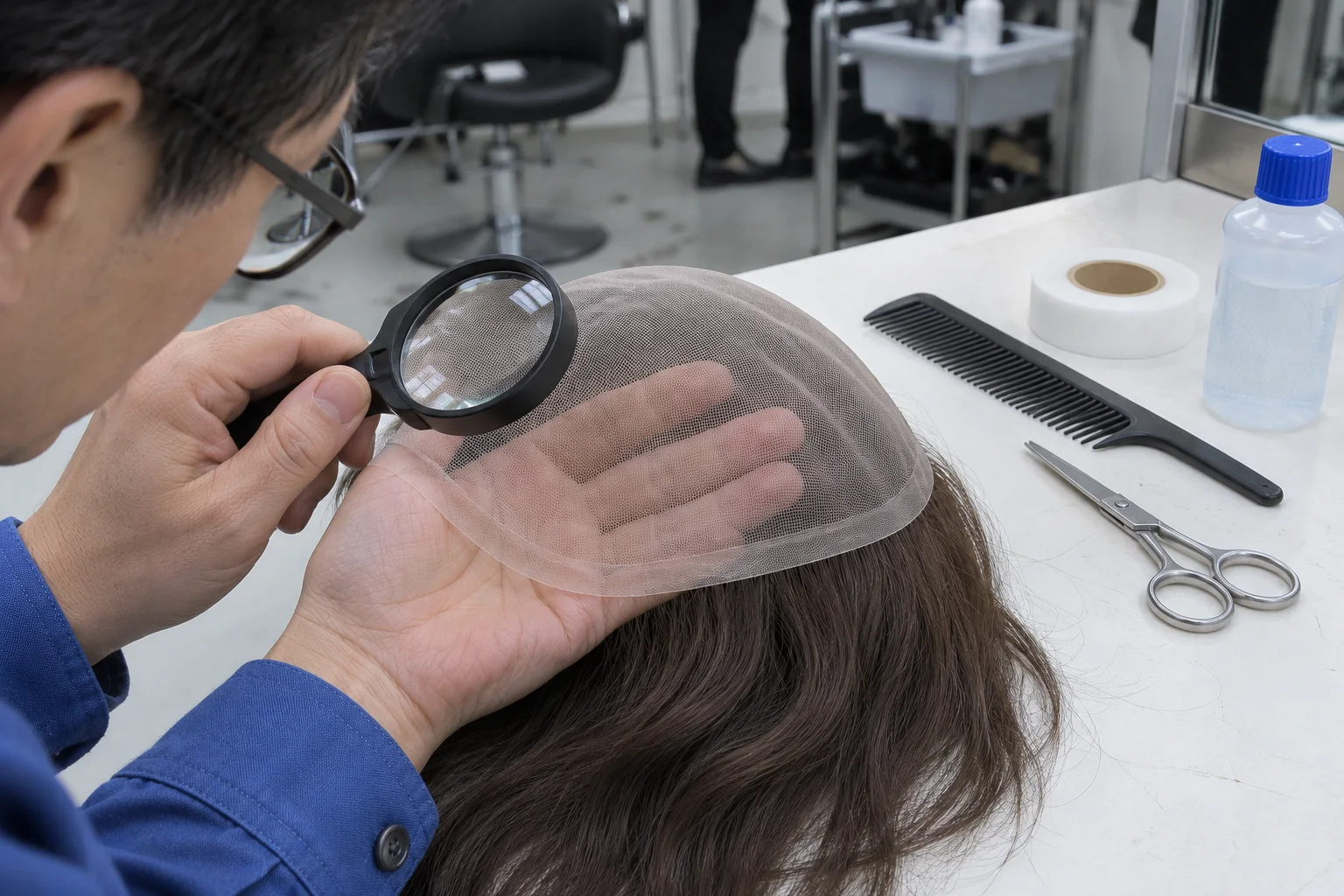
Base construction matters. A very fine base may give a close-looking hairline while needing gentler handling. A stronger construction can suit a different routine. Hair length, texture, processing and density also influence how the system looks as it ages.
Your habits matter too. Rough brushing, repeated high heat, sun exposure, heavy product build-up and sleeping with wet hair can make maintenance harder. Good care supports the condition of the system, but it cannot stop normal wear indefinitely. Treat it as something you will replace, rather than a one-time purchase.
What is included in the first fitting price?
A headline price might cover the hairpiece alone, or it might include the consultation, fitting, attachment and initial cut. Customisation, colour work and follow-up appointments may be charged separately. Two prices can look very different while describing different services.
Ask for the details in writing. Confirm whether the quoted amount includes VAT where applicable, what deposit is needed, what is refundable and what happens if the proposed system is unsuitable before it is cut or altered. A clear explanation at the start prevents awkward surprises later.
Plan for the ongoing costs
Budget for professional maintenance, eventual replacement systems and the care products you use at home. The frequency depends on your system and your own wearing experience. Ask the clinic to estimate a typical year rather than guessing from the cost of the first appointment.
- The system, initial fitting and first cut.
- Regular removal, cleaning, scalp checks and reattachment.
- Replacement hairpieces as the base and hair wear.
- Approved shampoo, conditioner and styling products.
- Optional spare system and any extra appointments.
A spare can be useful if your routine relies on always having a system available. Ask whether it is worth having one for your circumstances and how it should be stored and rotated.
Watch the system, not just the calendar
Changes in texture, tangling, colour, shedding or the condition of the base can be signs that a replacement should be planned. An attachment that lifts early can have a different explanation, such as changes in activity or skin condition. Your fitter can help distinguish wear from an attachment issue.
Do not stretch the interval between refits simply because the hair still looks acceptable from above. Cleaning and scalp care matter as well. If the routine is becoming difficult or expensive to keep up with, say so early. There may be a more practical construction or schedule to discuss.
Compare the whole wearing experience
A useful quote tells you what you are buying, what support you receive and what you will need to spend to maintain the result. The cheapest hairpiece may not be the cheapest routine, just as the most expensive system is not automatically the best fit for your life.
At NIC, we can discuss the system, fitting and ongoing care together. Bring your budget and ask for the expected maintenance plan. You should feel comfortable with the practical commitment before deciding to go ahead.